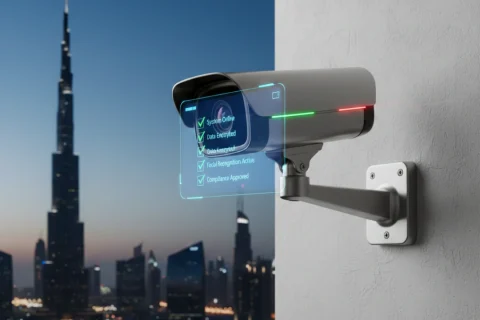
Urban parking challenges are reaching critical levels worldwide, with drivers spending an average of 17 hours annually searching for parking spaces. An ELV system integrated with IoT technology offers a transformative solution to this growing urban mobility problem. This enables real-time monitoring, automation, and data-driven parking management. By combining Extra Low Voltage infrastructure with intelligent sensors and real-time analytics, organizations can create parking facilities that optimize space utilization, reduce operational costs, and deliver seamless user experiences that meet modern expectations.
Key Takeaways
- ELV system infrastructure forms the backbone of smart parking solutions, enabling sensor networks, access controls, and real-time monitoring capabilities.
- IoT integration delivers 30-40% improvement in parking space utilization through data-driven insights and automated guidance systems.
- Smart parking reduces operational costs by up to 50% while enhancing security and user satisfaction through intelligent automation.
Understanding ELV Systems in Modern Parking Infrastructure
What is an ELV System?
An ELV system operates on voltages below 50V AC or 120V DC, making it inherently safe for building automation and smart infrastructure applications. In parking management, these systems encompass access control, CCTV surveillance, license plate recognition, occupancy sensors, lighting controls, and communication networks. The low voltage nature allows for flexible installation without extensive electrical certifications while maintaining robust performance.
Modern ELV systems serve as the nervous system of intelligent parking facilities, connecting multiple subsystems into a cohesive management platform. This integration enables facility managers to monitor, control, and optimize parking operations from a centralized dashboard, providing unprecedented visibility into space utilization patterns and operational efficiency metrics.
Core Components of Smart Parking ELV Infrastructure
Sensor Networks and Detection Systems
Advanced occupancy sensors form the foundation of smart parking intelligence. Ultrasonic sensors, magnetic field detectors, and vision-based systems continuously monitor parking space availability with 99% accuracy. These sensors connect through low-voltage wiring to central processing units that aggregate data in real-time.
License plate recognition cameras integrated within the ELV system automate vehicle identification, eliminating manual ticketing processes. Combined with entry and exit barriers controlled through low-voltage actuators, these components create seamless access experiences while maintaining comprehensive security records.
Communication and Control Networks
Structured cabling infrastructure enables high-speed data transmission between parking sensors, cameras, and management systems. Fiber optic and Category 6 cabling support bandwidth-intensive applications like video analytics and mobile app integration. Wireless mesh networks complement wired infrastructure, providing redundancy and expanding coverage to outdoor parking areas.
Central management servers process data streams from hundreds of sensors simultaneously, executing algorithms that direct drivers to available spaces and predict peak usage periods. This intelligent processing transforms raw sensor data into actionable insights that improve operational decision-making.
How IoT Technology Transforms Parking Management
Real-Time Space Monitoring and Dynamic Guidance
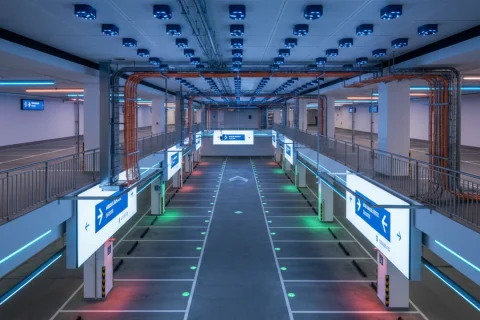
IoT-enabled sensors continuously update parking availability status, feeding information to digital signage, mobile applications, and wayfinding systems. Drivers receive turn-by-turn navigation to available spaces, reducing search time by 70% and minimizing unnecessary vehicle circulation that contributes to congestion and emissions.
Dynamic pricing algorithms adjust parking rates based on real-time demand, optimizing revenue while distributing vehicle load across the facility. During peak hours, the system can automatically implement surge pricing or reserve premium spaces for pre-booked customers, maximizing operational efficiency.
Automated Access Control and Security Enhancement
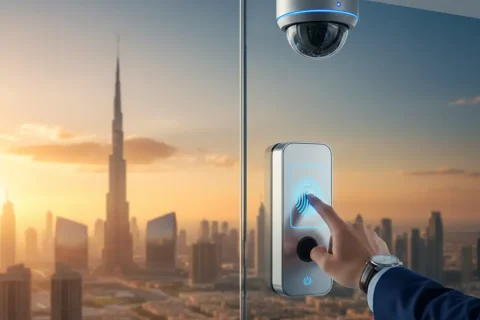
Integrated access control systems within the ELV system framework enable contactless entry through mobile credentials, RFID cards, or license plate recognition. This automation eliminates bottlenecks at entry points, reducing average entry time from 15 seconds to under 3 seconds per vehicle.
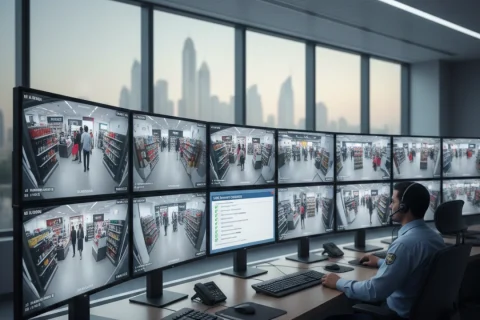
CCTV cameras connected through the low-voltage network provide 24/7 surveillance with intelligent video analytics. The system detects suspicious behaviour patterns, unauthorized access attempts, and safety incidents, triggering immediate alerts to security personnel. This comprehensive security integration enhances both vehicle and personal safety throughout the parking facility.
Predictive Analytics and Maintenance Optimization
Machine learning algorithms analyze historical parking patterns to forecast demand with 85% accuracy up to two weeks in advance. Facility managers leverage these predictions to optimize staffing levels, schedule maintenance activities during low-usage periods, and implement targeted marketing campaigns for underutilized time slots.
Predictive maintenance capabilities monitor the health of parking equipment including barriers, payment kiosks, and lighting systems. Sensors detect early warning signs of component failure, enabling proactive repairs that prevent costly downtime and maintain consistent service quality.
Benefits of Smart Automation Solutions in Parking Facilities
Enhanced Operational Efficiency
Smart automation solutions eliminate manual processes that consume staff time and introduce human error. Automated payment processing, occupancy monitoring, and incident reporting free facility managers to focus on strategic improvements rather than routine tasks. Organizations report 40-60% reduction in operational labor requirements after implementing comprehensive parking automation.
Energy consumption decreases significantly through intelligent lighting control that adjusts brightness based on occupancy and ambient light levels. LED fixtures integrated with presence sensors consume 70% less energy than traditional always-on lighting, delivering substantial cost savings and supporting sustainability objectives.
Improved User Experience and Customer Satisfaction
Modern consumers expect technology-enabled convenience in all aspects of their daily activities. Smart parking delivers this through mobile apps that enable space reservation, contactless payment, and digital receipts. Users can extend parking sessions remotely without returning to their vehicles, eliminating the stress of time-limited parking violations.
Wayfinding capabilities reduce frustration and confusion in large multi-level facilities. Color-coded guidance systems and mobile navigation ensure drivers locate available spaces quickly, improving overall satisfaction and encouraging repeat visits to commercial parking facilities.
Revenue Optimization and Financial Performance
Dynamic pricing strategies supported by real-time occupancy data optimize revenue across different times and locations within parking facilities. Premium pricing for convenient spaces near elevators or building entrances generates additional revenue without adding physical capacity.
Automated enforcement systems reduce revenue leakage from unauthorized parking and payment evasion. License plate recognition cameras identify vehicles exceeding time limits or parking in restricted zones, enabling immediate notification and citation processing that improves compliance rates by 85%.
Selecting the Right IoT Companies in Dubai for Implementation
Evaluation Criteria for Technology Partners
Successful smart parking implementation requires expertise across multiple technology domains including low-voltage systems, IoT platforms, data analytics, and cloud infrastructure. Organizations should evaluate potential vendors based on proven track record in parking projects, technical certifications, and long-term support capabilities.
The ideal technology partner demonstrates comprehensive understanding of ELV system design and installation standards while offering scalable solutions that accommodate future expansion. Integration capabilities with existing building management systems ensure seamless operation across all facility infrastructure.
Key Features of Leading Smart Parking Solutions
Advanced parking platforms offer cloud-based management portals accessible from any device, enabling remote monitoring and control for multi-site operations. Open API architecture allows integration with third-party applications including navigation apps, building access systems, and enterprise resource planning software.
Robust analytics dashboards visualize parking metrics through intuitive graphs and heat maps, highlighting utilization patterns, peak demand periods, and operational bottlenecks. Customizable reporting tools generate detailed performance summaries that support data-driven decision making and ROI documentation.
When evaluating IoT companies in Dubai, prioritize vendors offering end-to-end solutions that encompass system design, equipment supply, installation, commissioning, and ongoing maintenance support. This comprehensive approach ensures seamless project delivery and optimal long-term performance.
Implementation Best Practices and Future Considerations
Strategic Planning and Phased Deployment
Successful smart parking projects begin with comprehensive site surveys that assess existing infrastructure, identify coverage requirements, and determine optimal sensor placement locations. Detailed network design ensures adequate bandwidth for current applications while providing headroom for future enhancements including electric vehicle charging integration and autonomous vehicle support.
Phased implementation approaches minimize disruption to ongoing operations while allowing organizations to validate technology performance before full-scale deployment. Initial pilot zones demonstrate value and build stakeholder confidence before expanding smart parking capabilities across entire facilities.
Integration with Broader Smart Building Ecosystems
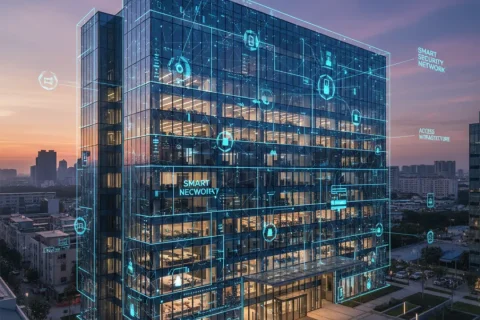
Modern parking facilities function as integral components of larger smart building and campus ecosystems. Integration between parking systems and building access control enables automatic validation of parking privileges based on tenant identity or visitor registration status.
Energy management platforms leverage parking occupancy data to optimize HVAC operations and lighting controls in adjacent buildings, reducing unnecessary energy consumption during periods of low parking utilization. This holistic approach to smart building infrastructure maximizes efficiency across all facility systems.
Preparing for Emerging Technologies
Electric vehicle adoption continues accelerating, requiring parking facilities to integrate EV charging infrastructure within existing ELV system frameworks. Smart charging capabilities balance electrical loads, implement user billing, and reserve charging-equipped spaces for vehicles requiring power.
Autonomous vehicle technologies will fundamentally reshape parking facility design and operation within the next decade. Forward-thinking organizations should ensure their smart parking infrastructure supports vehicle-to-infrastructure communication protocols that enable automated parking and retrieval capabilities as autonomous vehicles become mainstream.
Conclusion
The integration of ELV system infrastructure with IoT technology represents a transformative approach to parking management challenges. Organizations implementing smart automation solutions achieve significant improvements in operational efficiency, user satisfaction, and financial performance while positioning themselves for future technological evolution. As urban density increases and sustainability pressures mount, intelligent parking facilities powered by sophisticated low-voltage networks and IoT platforms will become essential infrastructure for modern buildings and campuses.
Vega Digital IT Solutions designs, engineers, develops, and implements advanced ELV and IoT solutions across the UAE. Our comprehensive approach to smart infrastructure integration ensures parking facilities achieve optimal performance while supporting long-term operational objectives. Discover how intelligent parking solutions can transform your facility operations and deliver measurable business value.
FAQ
1. What is an ELV system and how does it work in parking facilities?
An ELV system operates on extra low voltage (below 50V AC) to power smart parking components including sensors, access controls, cameras, and communication networks. It creates integrated infrastructure that enables real-time monitoring, automated guidance, and centralized management of parking operations safely and efficiently.
2. How do smart automation solutions improve parking management efficiency?
Smart automation solutions eliminate manual processes through automated payment processing, occupancy detection, and access control systems. They reduce operational labor by 40-60%, optimize energy consumption with intelligent lighting, and provide real-time data analytics that enable facility managers to make informed decisions quickly and effectively.
3. What are the main components of an IoT-enabled smart parking system?
IoT-enabled smart parking systems comprise occupancy sensors, license plate recognition cameras, wireless communication networks, access control barriers, digital signage, and cloud-based management platforms. These components work together through advanced software solutions to deliver seamless parking experiences and comprehensive operational insights.
4. How does ELV system integration enhance parking security?
ELV system integration combines CCTV surveillance, automated access controls, and intelligent video analytics into a unified security framework. This comprehensive approach enables 24/7 monitoring, immediate threat detection, automated incident alerts, and detailed audit trails that significantly enhance both vehicle and personal safety throughout parking facilities.
5. Can smart parking systems reduce operational costs for building owners?
Yes, smart parking systems reduce costs by 30-50% through automated operations, optimized staffing, and energy-efficient lighting. Predictive maintenance prevents equipment failures, dynamic pricing maximizes revenue, and reduced vehicle circulation lowers environmental impact. Building owners achieve rapid ROI through improved efficiency and enhanced user satisfaction.
6. What should you consider when choosing IoT companies in Dubai for parking projects?
When selecting IoT companies in Dubai, evaluate proven experience in parking implementations, technical certifications, integration capabilities with existing systems, scalability for future expansion, and comprehensive support services. Choose vendors offering end-to-end solutions from design through maintenance, ensuring optimal performance and reliable long-term partnership.
7. How does IoT technology enable real-time parking space availability tracking?
IoT sensors continuously monitor individual parking spaces using ultrasonic, magnetic, or vision-based detection with 99% accuracy. Data transmits wirelessly to central servers that process availability status and distribute information to mobile apps, digital signage, and wayfinding systems, enabling drivers to locate spaces instantly.
8. What industries benefit most from implementing smart parking ELV systems?
Real estate developments, retail centers, corporate campuses, hospitals, airports, and municipal facilities benefit significantly from smart parking systems. These sectors experience high parking demand, require efficient space utilization, and value enhanced user experiences that drive customer satisfaction, operational efficiency, and competitive differentiation.
9. How do smart parking systems support sustainability and environmental goals?
Smart parking reduces vehicle emissions by minimizing search time and unnecessary circulation, cutting average search duration by 70%. LED lighting with occupancy sensors decreases energy consumption by 70%, while data-driven space optimization reduces infrastructure footprint. These features support corporate sustainability objectives and green building certifications.
10. What future technologies will integrate with smart parking ELV systems?
Future integrations include electric vehicle charging management, autonomous vehicle automated parking capabilities, mobile payment platforms, and artificial intelligence for predictive analytics. Forward-thinking infrastructure planning ensures ELV systems accommodate emerging technologies, vehicle-to-infrastructure communication protocols, and evolving user expectations for seamless mobility experiences.