Introduction
Implementing an ELV system for buildings in the UAE requires meticulous planning and execution. Extra Low Voltage systems form the backbone of modern smart buildings, integrating security, communication, and automation technologies into a seamless network. However, many organizations face costly setbacks due to avoidable implementation mistakes. Whether you’re upgrading an existing facility or constructing a new building, understanding these pitfalls can save time, money, and ensure optimal system performance. This guide explores key critical mistakes that can derail your ELV implementation project and provides actionable insights to help you achieve success.
Key Takeaways
- Proper planning and assessment are fundamental to successful ELV system implementation, preventing costly redesigns and delays.
- Integration capabilities and system compatibility must be evaluated early to ensure seamless communication between different building technologies.
- Investing in quality components and professional installation delivers long-term value, while cutting corners leads to frequent failures and higher maintenance costs.
- Comprehensive testing, scalability planning, and staff training are essential for maximizing the return on your ELV system investment.
Understanding ELV System for Buildings
Extra Low Voltage (ELV) systems operate at voltages typically below 50V AC or 120V DC, making them safer and more efficient for building management applications. These systems encompass a wide range of technologies including CCTV surveillance, access control, fire alarm systems, public address systems, building management systems (BMS), and structured cabling networks.
What Makes ELV Systems Essential?
Modern buildings in the UAE increasingly rely on ELV and security systems to deliver enhanced safety, operational efficiency, and occupant comfort. These integrated solutions enable real-time monitoring, automated responses to security threats, energy optimization, and centralized control of building functions. The UAE’s focus on smart city initiatives and sustainable development has made robust ELV infrastructure a mandatory requirement rather than a luxury feature.
According to recent market research, the Middle East ELV systems market is projected to grow at 8.2% annually through 2028, driven by rapid urbanization and increasing demand for intelligent building solutions. This growth underscores the importance of getting your implementation right from the start.
Common Implementation Mistakes to Avoid
Mistake 1: Inadequate Planning and Assessment
One of the most prevalent errors organizations make is rushing into ELV implementation without thorough preliminary analysis. Proper planning involves conducting comprehensive site surveys, understanding current and future building requirements, and developing detailed technical specifications.
Rushing the Design Phase
Many projects fail because stakeholders skip the critical design phase to meet aggressive timelines. Without detailed system architecture, cable routing plans, and equipment specifications, installation teams face constant changes and rework. A smart ELV system in UAE requires careful consideration of spatial constraints, power requirements, environmental conditions, and future expansion possibilities. Allocate sufficient time for design documentation, stakeholder reviews, and technical validation before breaking ground.
The cost of poor planning manifests through project delays, budget overruns, and systems that fail to meet operational requirements. Industry data shows that projects with comprehensive planning phases experience 40% fewer change orders and complete 25% faster than those without proper preparation.
Mistake 2: Ignoring Integration Requirements
Modern buildings require multiple ELV subsystems to work together harmoniously. Treating each system as an isolated entity leads to operational inefficiencies and user frustration.
Overlooking System Compatibility
Different manufacturers use varying communication protocols and data formats. Without proper integration planning, your fire alarm system might not trigger automatic door unlocking, or your access control system might fail to coordinate with commercial security cameras. Specify open protocols like BACnet, Modbus, or ONVIF during the design phase to ensure seamless interoperability. Request integration testing as part of vendor proposals and verify that all subsystems can exchange data effectively through a unified building management platform.
Integration challenges often surface during commissioning when it’s expensive and time-consuming to address them. Forward-thinking organizations invest in middleware solutions and standardized communication layers that facilitate system coordination and simplify future upgrades.
Mistake 3: Choosing Cost Over Quality
Budget constraints are real, but selecting the cheapest components and contractors often results in false economy. Low-quality equipment fails prematurely, requires frequent maintenance, and lacks the reliability essential for critical building systems.
Quality ELV components carry certifications from recognized standards bodies and come with comprehensive warranties. Reputable installers provide detailed documentation, follow industry best practices, and employ certified technicians. The initial price difference between premium and budget solutions typically represents less than 15% of total project costs but can mean the difference between 10 years of reliable service and constant troubleshooting.
Consider the total cost of ownership rather than just upfront expenses. Factor in maintenance costs, replacement frequency, energy consumption, and operational downtime. A best ELV system selection process should prioritize lifecycle value and proven performance records.
Mistake 4: Poor Cable Management
Infrastructure Neglect
Disorganized cabling creates multiple problems including difficult troubleshooting, increased electromagnetic interference, fire hazards, and inability to perform future upgrades. Professional cable management involves proper labeling, color coding, cable trays, adequate separation between power and data cables, and compliance with local electrical codes for commercial security cameras.
The UAE follows strict regulatory standards for building infrastructure, including requirements for fire-rated cables in specific areas, proper grounding systems, and emergency power supply provisions. Failing to meet these standards can result in project delays, rejection during inspections, and potential safety violations.
Invest in structured cabling systems with proper documentation showing cable routes, termination points, and testing results. This documentation proves invaluable during maintenance activities and system expansions. Many organizations discover that poor cable infrastructure becomes their biggest limitation when attempting to upgrade to newer technologies.
Mistake 5: Inadequate Testing and Commissioning
Skipping comprehensive system testing is perhaps the most dangerous shortcut in ELV implementation. Every component, circuit, and integration point requires systematic verification to ensure proper functionality.
A complete commissioning process includes factory acceptance testing (FAT) for custom equipment, site acceptance testing (SAT) for installed systems, integration testing across subsystems, performance benchmarking against specifications, and documentation of all test results. This process typically requires two to three weeks for medium-sized buildings but prevents months of operational problems.
Testing should simulate real-world scenarios including emergency situations, peak load conditions, and failure modes. Verify that backup power systems activate correctly, redundant components take over seamlessly, and alarm notifications reach designated personnel. According to industry standards from organizations like BICSI and IEEE, commissioning should consume approximately 10-15% of the total project budget.
Mistake 6: Neglecting Scalability
Building requirements evolve continuously. An ELV system designed for today’s needs without consideration for tomorrow’s growth quickly becomes obsolete.
Plan for at least 30% additional capacity in all subsystems. This includes extra ports on network switches, additional channels in cable trays, spare capacity in power supplies, and flexible software licensing. The cost of building in extra capacity during initial installation is minimal compared to the expense of retrofitting later.
Technology advances rapidly in the ELV sector. Systems should support firmware updates, modular expansion, and integration with emerging technologies like IoT sensors and artificial intelligence. Specifying future-proof platforms ensures your infrastructure remains relevant for its expected 10-15 year lifecycle.
Mistake 7: Insufficient Training and Documentation
Even the most sophisticated ELV system delivers limited value if building staff cannot operate it effectively. Many organizations invest millions in technology but allocate inadequate resources for user training.
Comprehensive training programs should cover system operation for end users, troubleshooting procedures for technical staff, emergency response protocols for security personnel, and administrative functions for system managers. Training should occur before system handover and include refresher sessions as new staff join or system updates occur.
Documentation represents another critical but often overlooked element. Complete documentation packages include as-built drawings, equipment manuals, configuration settings, maintenance schedules, and contact information for support services. This information should be maintained in both physical and digital formats with restricted access controls.
Best Practices for Successful ELV Implementation
Success in ELV implementation requires adopting proven methodologies and partnering with experienced professionals. Engage qualified consultants early in the planning phase to develop realistic specifications and timelines. Select contractors based on demonstrated expertise, relevant certifications, and verifiable project references rather than price alone.
Establish clear communication channels among all project stakeholders including architects, MEP engineers, contractors, and facility managers. Regular coordination meetings prevent conflicts and ensure everyone understands project requirements. Implement a formal change management process to evaluate and approve modifications without derailing schedules.
Prioritize compliance with UAE regulations including Civil Defense requirements, SIRA standards for elv and security systems, and municipal building codes. Work with approved vendors and contractors who understand local regulatory frameworks. From smarter operations with ELV systems to enhanced security integration, experienced partners help navigate complex implementation challenges while maintaining quality standards.
Conclusion
Avoiding these common implementation mistakes significantly increases your chances of successful ELV system deployment. The ELV system for buildings represents a substantial investment that should deliver reliable performance, operational efficiency, and adaptability for future needs. By prioritizing comprehensive planning, quality components, proper integration, professional installation, thorough testing, scalability, and adequate training, you create a foundation for long-term success. The UAE’s ambitious smart city goals and stringent building standards demand excellence in ELV implementation. Partner with experienced professionals who understand both technical requirements and local regulations to ensure your building infrastructure meets today’s demands while remaining flexible for tomorrow’s innovations.
Ready to implement a world-class ELV system for your building? Contact Vega Digital IT Solutions today to discuss your project requirements and discover how our expertise can help you avoid costly mistakes while delivering superior results.
FAQ
1. What is an ELV system for buildings?
An ELV system for buildings is an integrated network of Extra Low Voltage technologies operating below 50V AC, including CCTV surveillance, access control, fire alarms, building automation, and communication systems that enhance security, efficiency, and occupant comfort in modern facilities.
2. How much does ELV system implementation cost in UAE?
ELV system implementation costs in UAE vary based on building size, system complexity, and technology requirements. Typical projects range from AED 50-200 per square foot, with comprehensive smart building solutions requiring higher investments but delivering superior long-term value and operational efficiency.
3. What are the common mistakes in ELV installation?
Common ELV installation mistakes include inadequate planning, poor cable management, ignoring integration requirements, selecting low-quality components, insufficient testing, neglecting scalability, and skipping proper staff training. These errors result in system failures, budget overruns, and compromised building performance requiring costly corrections.
4. How do ELV and security systems work together?
ELV and security systems integrate through unified platforms, enabling CCTV cameras, access control, fire alarms, and intrusion detection to communicate seamlessly. This coordination provides comprehensive protection, automated emergency responses, and centralized monitoring through smart building solutions.
5. What certifications are required for ELV contractors in UAE?
ELV contractors in UAE require Civil Defense approvals, SIRA certification for security systems, municipality-specific licenses, and relevant technical certifications. Qualified professionals must demonstrate compliance with local building codes, safety standards, and possess trained technicians with manufacturer certifications for installed equipment.
6. Can existing buildings be retrofitted with ELV systems?
Existing buildings can successfully integrate modern ELV systems through careful retrofitting. The process involves infrastructure assessment, wireless technology integration where cabling is challenging, phased implementation to minimize disruptions, and coordination with existing building systems to ensure compatibility and seamless operation.
7. How long does ELV system implementation take?
ELV system implementation timelines vary by project scope. Small buildings require 2-3 months, medium facilities need 4-6 months, and large commercial complexes take 8-12 months. Timeframes include design, procurement, installation, integration testing, and commissioning phases for comprehensive system deployment.
8. What role do commercial security cameras play in ELV systems?
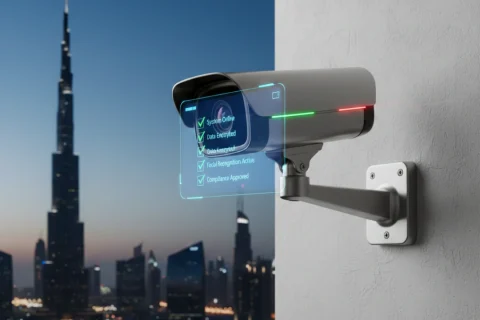
Commercial security cameras serve as critical components within ELV infrastructure, providing real-time surveillance, facial recognition, perimeter monitoring, and integrated threat detection. Modern IP cameras connect seamlessly with access control and alarm systems through professional CCTV installation.
9. What maintenance does an ELV system require?
ELV systems require quarterly preventive maintenance including software updates, hardware inspections, battery testing, camera cleaning, cable integrity checks, and system performance audits. Annual comprehensive reviews ensure optimal functionality, identify potential issues early, and extend equipment lifespan while maintaining warranty coverage.
10. How does scalability affect ELV system design?
Scalability in ELV design ensures systems accommodate future growth through modular architecture, extra network capacity, flexible software licensing, and expandable infrastructure. Planning for 30% additional capacity during initial installation prevents costly retrofits and enables seamless integration of emerging technologies throughout the building lifecycle.