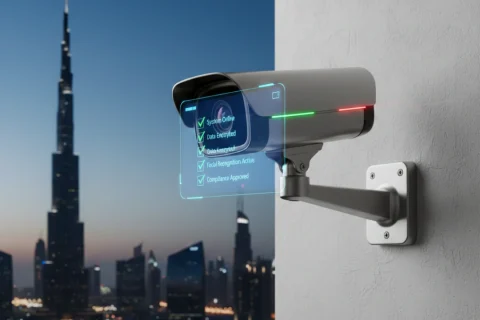
Introduction
Selecting the right elv system for your organization is a critical decision that impacts security, operational efficiency, and long-term scalability. As businesses increasingly adopt smart infrastructure, understanding how ELV (Extra Low Voltage) and security systems integrate becomes essential for creating safe, connected environments. With over 10 years of experience in digital transformation, VITS helps organizations navigate these complex decisions to implement smart ELV solutions that deliver measurable value.
Key Takeaways
- ELV system provides the backbone for modern building automation, security, and communication networks operating below 50 volts
- Integrated security systems within ELV infrastructure reduce costs while enhancing protection and operational visibility
- Choosing the right solution requires evaluating scalability, compliance requirements, budget constraints, and industry-specific needs
- Working with experienced providers ensures seamless integration, future-proofing, and ongoing support for your investment
Understanding ELV System for Modern Buildings
What Are ELV System?
An ELV system for buildings encompasses all electrical installations operating at voltages typically below 50 volts AC or 120 volts DC. These systems include access control, CCTV surveillance, fire alarms, building management systems (BMS), structured cabling, and audio-visual equipment. Unlike traditional high-voltage electrical systems, ELV installations prioritize safety, energy efficiency, and seamless integration with digital technologies. For organizations seeking to modernize their infrastructure, implementing comprehensiveELV systems that transform buildings into smart spaces creates a foundation for intelligent, responsive environments.
The evolution of ELV technology has transformed how buildings operate. Modern ELV system leverages IoT connectivity, cloud-based management platforms, and artificial intelligence to deliver real-time insights and automated responses. This shift from standalone systems to integrated ecosystems enables facilities managers to monitor and control multiple building functions from a single interface. Whether managing a commercial office tower, manufacturing facility, or retail complex, understanding ELV capabilities is the first step toward making informed investment decisions.
Core Components of ELV Infrastructure
A comprehensive ELV system for buildings typically includes several interconnected subsystems. Security and surveillance components encompass CCTV cameras, access control readers, intrusion detection sensors, and video management software. Communication networks provide structured cabling, Wi-Fi infrastructure, and telephony systems that support daily operations. Building automation integrates HVAC controls, lighting management, and energy monitoring to optimize resource consumption. Life safety systems include fire detection, emergency lighting, and public address systems that protect occupants during critical situations.
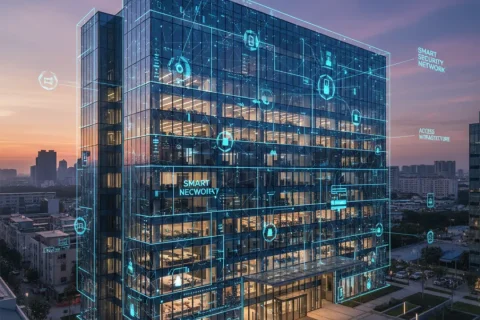
The true value of ELV infrastructure emerges through integration. When these subsystems communicate seamlessly, organizations gain unprecedented visibility and control. For example, an access control event can trigger CCTV recording, adjust lighting in specific zones, and notify security personnel simultaneously. This level of coordination improves incident response times, reduces false alarms, and creates audit trails for compliance purposes. Companies that invest in properly designed IoT-enabled infrastructure from leading providers position themselves to adapt quickly as technology evolves and business needs change.
The Role of Security Systems in ELV Integration
Security System Types and Capabilities
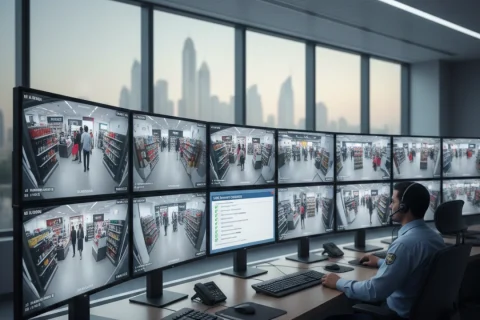
ELV and security systems work together to create layered protection strategies that address both physical and digital threats. Physical security components include perimeter protection systems, access control solutions, video surveillance networks, and intrusion detection devices. Each element serves a specific purpose: perimeter systems detect unauthorized entry attempts, access control manages who enters specific areas, video surveillance provides visual verification and evidence collection, while intrusion detection alerts security teams to potential breaches.
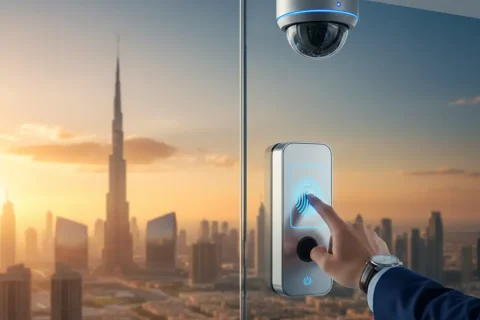
Advanced security systems now incorporate analytics and automation to enhance effectiveness. Video analytics identify unusual behavior patterns, count occupants for safety compliance, and recognize license plates for parking management. Biometric access control replaces traditional key cards with fingerprint, facial recognition, or iris scanning for higher security applications. Integration with building management systems enables automatic responses—such as locking doors, activating alarms, and initiating evacuation procedures—based on predefined scenarios. These capabilities transform security from a reactive function to a proactive risk management tool.
Integration Benefits for Business Operations
Integrating security within your ELV system delivers benefits beyond basic protection. Operational efficiency improves when security data informs business decisions. Visitor tracking analytics reveal peak traffic times, helping optimize staffing levels. Access logs identify underutilized spaces that could be repurposed. Energy management systems coordinate with occupancy sensors to adjust climate control and lighting based on actual usage patterns, reducing utility costs by 15-30% according to industry studies.
Cost optimization occurs through consolidated infrastructure and reduced redundancy. Instead of maintaining separate networks for security, communications, and building automation, organizations deploy a single integrated platform that serves multiple functions. Understanding thebenefits of ELV and security system integration helps organizations lower installation costs, simplify maintenance, reduce training requirements, and minimize system downtime. Additionally, scalability becomes more manageable—adding new locations or expanding existing facilities requires minimal disruption when working within an established ELV framework that supports modular growth.
Key Factors When Choosing ELV and Security Systems
Scalability and Future-Proofing
When evaluating potential elv system solutions, scalability should be a primary consideration. Your infrastructure must accommodate current needs while providing room for growth without requiring complete replacement. Assess whether the system supports additional cameras, access points, or sensors as your organization expands. Consider whether the platform can integrate emerging technologies like AI-powered analytics, thermal imaging, or drone surveillance. Systems built on open standards and APIs offer greater flexibility than proprietary solutions that lock you into a single vendor’s ecosystem.
Future-proofing extends beyond technical capabilities to include cybersecurity considerations. As ELV systems become more connected, they present potential attack vectors for malicious actors. Evaluate whether your chosen solution includes regular security updates, encrypted communications, network segmentation capabilities, and user authentication protocols. According to recent cybersecurity research, 60% of building automation systems contain vulnerabilities that could be exploited without proper security measures. Partnering with SIRA-approved security providers ensures your investment remains protected against evolving threats.
Budget Considerations and ROI
Budget planning for ELV and security system implementation requires looking beyond initial capital expenditure. Total cost of ownership includes installation, licensing fees, ongoing maintenance, staff training, and eventual upgrades. While premium solutions may have higher upfront costs, they often deliver better long-term value through reduced downtime, lower maintenance requirements, and extended equipment lifespans. Calculate potential savings from energy optimization, reduced security staffing needs, improved asset protection, and enhanced operational efficiency to determine realistic ROI timelines.
Most organizations see return on investment within 3-5 years when implementing comprehensive ELV systems. Energy savings alone can offset 20-40% of annual operating costs in commercial buildings. Enhanced security reduces losses from theft, vandalism, and unauthorized access. Improved space utilization and occupancy insights enable better facility planning and resource allocation. When evaluating proposals, request detailed ROI projections that account for both tangible cost savings and intangible benefits like improved employee safety and enhanced brand reputation.
Compliance and Standards
Industry regulations and safety standards significantly influence ELV system selection. Depending on your sector, you may need to comply with requirements like NFPA (National Fire Protection Association) codes for fire alarm systems, UL (Underwriters Laboratories) certifications for security equipment, or ISO standards for information security management. Healthcare facilities must meet HIPAA requirements for access control and video retention. Financial institutions face stricter regulations around physical security and audit trails. Manufacturing environments may require ATEX-certified equipment for hazardous locations.
Working with experienced providers who understand these compliance landscapes is crucial. They ensure your ELV system for buildings meets current regulations and can adapt to future changes. Non-compliance can result in failed inspections, insurance complications, legal liability, and operational disruptions. Request documentation proving that proposed systems meet relevant standards, and verify that installation teams hold appropriate certifications. This due diligence protects your investment and demonstrates commitment to safety and regulatory compliance.
Industry-Specific Applications
Real Estate and Commercial Buildings
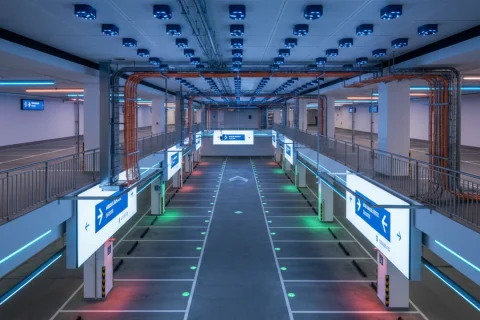
Commercial real estate properties leverage ELV and security solutions to enhance tenant satisfaction, improve property values, and reduce operating expenses. Modern office buildings integrate visitor management systems with access control to streamline guest experiences while maintaining security protocols. Retail spaces use video analytics to understand customer behavior, optimize product placement, and prevent loss. Mixed-use developments coordinate parking management, amenity access, and common area monitoring through centralized platforms that serve multiple tenant groups.
Property managers increasingly promote smart building features as competitive differentiators in crowded markets. Buildings with advanced ELV infrastructure command premium rents, experience higher occupancy rates, and attract quality tenants who value technology and security. Integration with mobile apps allows tenants to book conference rooms, control workspace environments, and receive security alerts directly on their devices. These capabilities create modern, responsive environments that align with contemporary workplace expectations and support hybrid work models.
Manufacturing and Industrial Facilities
Manufacturing environments present unique challenges that require specialized ELV system approaches. Industrial facilities need ruggedized equipment capable of operating in harsh conditions with dust, moisture, temperature extremes, and vibration. Security systems must protect intellectual property, prevent unauthorized access to restricted areas, and monitor high-value inventory. Integration with industrial control systems (ICS) enables coordinated responses to safety incidents, equipment failures, or security breaches.
Process optimization represents another critical application in manufacturing settings. Time-and-attendance systems integrated with access control provide accurate labor tracking for project costing. Video surveillance with analytics identifies production bottlenecks and safety violations. Environmental monitoring sensors track temperature, humidity, and air quality in sensitive manufacturing zones. Real-time data from these integrated systems helps operations managers make informed decisions that improve productivity, reduce waste, and maintain quality standards throughout production processes.
Working with the Right ELV Solutions Provider
Selecting a qualified ELV solutions provider is as important as choosing the technology itself. Look for companies with proven experience in your industry, strong technical capabilities, and comprehensive support services. Evaluate their project portfolio to verify successful installations of similar scale and complexity. Check references from existing clients to understand their service quality, responsiveness, and problem-solving abilities. When choosing the best ELV system, ensure providers offer ongoing maintenance, system upgrades, and technical support rather than simply installing equipment and walking away.
VITS brings over 10 years of expertise in delivering integrated smart infrastructure solutions across diverse industries throughout the UAE and globally. Our team works closely with clients to understand unique requirements, design customized ELV systems for smarter operations, and provide end-to-end implementation support. From initial consultation through installation, training, and ongoing optimization, we ensure your investment delivers maximum value while adapting to your evolving business needs. Our client-centric approach focuses on building long-term partnerships based on innovation, excellence, and measurable results.
Conclusion
Choosing the right elv system and security integration strategy requires careful evaluation of your organization’s current needs, growth trajectory, and industry-specific requirements. By prioritizing scalability, compliance, and total cost of ownership, you can implement infrastructure that delivers immediate value while supporting long-term objectives. The integration of ELV system and security solutions creates safer, more efficient environments that enhance operational visibility, reduce costs, and position your organization for continued success in an increasingly connected world. Partner with experienced providers who understand your unique challenges and can deliver solutions that transform your infrastructure into a strategic business asset.
Ready to explore how advanced ELV system can transform your operations? Contact VITS today to schedule a consultation with our experts and discover customized solutions designed specifically for your organization’s needs.
FAQ
1. What is an ELV system?
An ELV system is an electrical installation operating below 50 volts AC or 120 volts DC, encompassing security cameras, access control, fire alarms, and building automation. These low-voltage systems enhance safety while enabling smart building connectivity and operational efficiency.
2. How does an ELV system for buildings differ from traditional electrical systems?
ELV systems for buildings operate at safer voltage levels than traditional electrical systems, focusing on communication, security, and automation rather than power distribution. They integrate technologies like CCTV, access control, and IoT sensors to create intelligent, connected environments with reduced safety risks.
3. What are the main components of ELV and security systems?
It includes CCTV surveillance, access control, intrusion detection, fire alarms, structured cabling, building management systems, and public address systems. Professional CCTV installation services ensure these components work seamlessly together for comprehensive protection and operational efficiency.
4. Why should businesses integrate ELV and security systems?
Integrating reduces infrastructure costs, improves incident response times, enables centralized monitoring, and enhances operational visibility. This integration creates automated responses to security events while optimizing energy consumption and space utilization across facilities.
5. How much does an ELV system installation cost?
ELV system costs vary based on building size, complexity, and components selected, typically ranging from moderate to significant capital investment. However, most organizations achieve ROI within 3-5 years through energy savings, reduced security costs, and improved operational efficiency with comprehensive solutions.
6. What industries benefit most from ELV systems?
Real estate, manufacturing, retail, infrastructure, and mining sectors benefit significantly from ELV systems. These industries require robust security, automation, environmental monitoring, and centralized control to protect assets, improve safety, and optimize operations.
7. How long does it take to install an ELV system?
Installation timelines range from several weeks to several months depending on building size, system complexity, and existing infrastructure. Small offices may require 2-4 weeks, while large commercial facilities need 3-6 months for complete design, installation, testing, and commissioning phases.
8. Can ELV systems be upgraded or expanded later?
Yes, modern ELV systems built on open standards support modular expansion and technology upgrades without complete replacement. Scalable architectures allow adding cameras, sensors, or access points as needs grow, ensuring long-term investment protection and adaptability to emerging technologies.
9. What certifications should ELV system providers have?
ELV providers should hold industry certifications like NFPA compliance, UL listings, ISO standards, and regional approvals such as SIRA certification for security installations. These certifications ensure quality, safety standards, regulatory compliance, and professional expertise in system design and implementation.
10. How do ELV systems improve building energy efficiency?
ELV systems reduce energy consumption by 15-30% through occupancy-based lighting and HVAC control, automated scheduling, real-time monitoring, and data-driven optimization. Integrated sensors detect occupancy patterns, adjusting climate control and lighting automatically to eliminate waste in unoccupied spaces.