As businesses evolve in the digital age, choosing between an ELV system and traditional infrastructure impacts operational efficiency and security. Modern enterprises demand intelligent, integrated solutions beyond basic functionality. This guide explores key differences between ELV (Extra Low Voltage) systems and conventional infrastructure, helping you make informed decisions aligned with your business goals.
Key Takeaways
- ELV systems offer integrated, intelligent solutions that combine security, communication, and automation into a unified platform, while traditional infrastructure relies on standalone systems with limited connectivity.
- Modern businesses benefit from the scalability and flexibility of ELV systems, which can adapt to changing needs and integrate seamlessly with IoT and smart technologies.
- While initial investment in ELV systems may be higher, the long-term ROI through energy savings, reduced maintenance costs, and improved operational efficiency often outweighs the cost of traditional infrastructure.
Understanding ELV System and Traditional Infrastructure
Before diving into the comparison, it’s essential to understand what each system entails and how they function in modern business environments.
What is an ELV System?
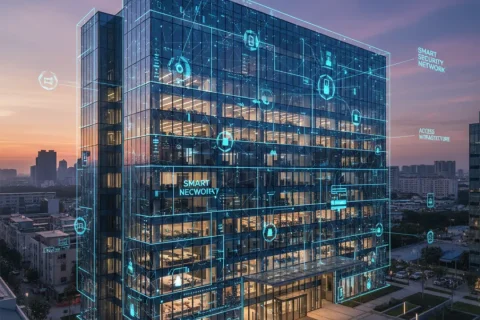
An ELV system operates on extra low voltage (typically below 50V AC or 120V DC) and integrates multiple building functions into a cohesive network. These systems include CCTV surveillance, access control, fire alarms, public address, structured cabling, and building management. A smart ELV system creates an interconnected ecosystem where components communicate and work together.
Modern ELV systems leverage IP-based networks, cloud computing, and artificial intelligence for real-time monitoring, predictive maintenance, and automated responses. This integration allows centralized control, reduced operational costs, and quick response to security threats.
What is Traditional Infrastructure?
Traditional infrastructure refers to conventional building systems operating independently without integrated connectivity. These include standalone CCTV cameras, manual access control, separate fire alarms, and basic electrical networks. Each component functions in isolation, requiring individual management.
While traditional infrastructure has served businesses for decades, it lacks the intelligence and adaptability needed in today’s digital environment. These systems require manual intervention, offer limited scalability, and cannot easily integrate with emerging technologies.
Key Differences Between ELV Systems and Traditional Infrastructure
Understanding the fundamental differences between these two approaches is crucial for making the right investment decision for your business.
Installation and Setup
ELV systems require professional installation by certified technicians who understand integrated network architecture. While this increases upfront complexity, it results in a more efficient and manageable system.
Traditional infrastructure is simpler to install, with each system set up independently. However, adding new components often requires separate installations, additional wiring, and potential operational disruption.
Scalability and Flexibility in ELV System
One advantage of an ELV system is its scalability. As your business grows, you can easily add new devices or functionalities without major infrastructure overhauls. The IP-based architecture allows seamless expansion.
Traditional infrastructure struggles with scalability. Each addition typically requires new cabling, power sources, and standalone management interfaces, increasing costs and complexity.
Cost Considerations
Initial investment in an ELV system is typically higher due to advanced technology and professional installation. However, long-term savings through reduced energy consumption, lower maintenance, and centralized management offset upfront costs.
Traditional infrastructure may appear cost-effective initially, but hidden costs accumulate. Separate maintenance contracts, higher energy consumption, and inability to leverage analytics contribute to increased total ownership cost.
Benefits of ELV Systems for Modern Businesses
Modern organizations are increasingly choosing ELV systems for their comprehensive benefits and alignment with digital transformation goals.
Enhanced Security and Monitoring
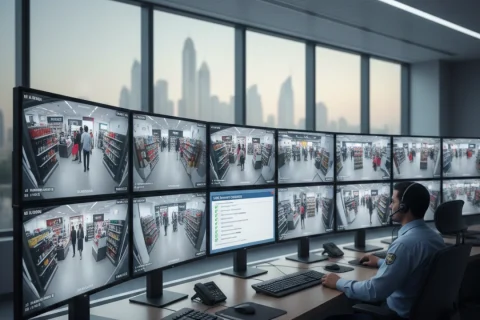
ELV systems provide superior security through integrated surveillance, access control, and alarm systems working seamlessly. When breaches occur, the system automatically triggers multiple responses: locking doors, alerting security, and recording evidence.
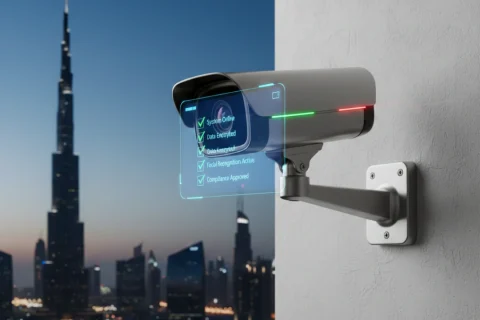
Working with a SIRA approved CCTV company in Dubai ensures compliance while implementing CCTV analytics software using AI to detect unusual activities and generate actionable insights.
Real-Time Analytics and Reporting
Modern ELV systems transform raw data into business intelligence. Video analytics track customer behavior, monitor occupancy for space optimization, and detect maintenance issues before they become critical.
Integration with Smart Technologies
The true power of an ELV system lies in integration with emerging technologies. By integrating CCTV analytics software with IoT sensors and building management systems, businesses can automate alerts, predict maintenance issues, and enhance overall security monitoring. This ELV and security system integration enables automation that improves comfort and reduces energy consumption.
Integrated systems automatically adjust lighting and temperature based on occupancy, grant access to authorized personnel while alerting security of unusual patterns, and predict equipment failures through continuous monitoring.
Energy Efficiency and Sustainability
ELV systems contribute to sustainability through intelligent energy management. Advanced CCTV analytics software can also help optimize building operations by analyzing occupancy patterns, improving workflow efficiency, and reducing unnecessary energy use. Studies show intelligent building systems can reduce energy consumption by 20-30%.
According to the U.S. Department of Energy, smart building technologies achieve energy savings up to 29% through optimized control.
When Traditional Infrastructure Makes Sense
Despite the advantages of ELV systems, traditional infrastructure may still be appropriate in specific scenarios.
Budget Constraints
Small businesses with limited capital may find traditional infrastructure more accessible initially. If advanced features aren’t immediately critical and the business operates in a simple environment, phasing in upgrades over time might be pragmatic.
However, conduct thorough long-term ROI analysis before choosing based solely on upfront costs. Many businesses discover financing an ELV system provides better value over five to ten years.
Simple Requirements
Businesses with minimal security needs, limited growth plans, and straightforward requirements may not need sophisticated ELV capabilities. A small office with few employees might function adequately with basic CCTV and simple access control.
Temporary Locations
For temporary facilities or short-term projects, comprehensive ELV investment may not be justified. Traditional infrastructure offers quick deployment for immediate needs.
Making the Right Choice for Your Business
Selecting between an ELV system and traditional infrastructure requires careful evaluation of your current needs and future growth plans.
Assessing Your Business Needs
Start by assessing security requirements, operational complexity, growth projections, and budget constraints. Consider:
- Current security challenges: Can integrated monitoring prevent security incidents?
- Growth trajectory: Plans to expand facilities or increase staff?
- Regulatory requirements: Need for advanced monitoring and reporting?
- Technology integration: Integration with existing or planned IoT systems?
Long-term ROI Analysis
When evaluating options, look beyond installation costs to total ownership over 5-10 years. Include maintenance, energy savings, operational efficiencies, and enhanced security value. Most businesses find ELV systems deliver superior ROI despite higher upfront investment.
Professional Consultation
Engaging a SIRA approved CCTV company in Dubai provides valuable insights into cost-effective solutions. Professional consultation identifies challenges, optimizes system design, and ensures compliance. When choosing the best ELV system, working with certified professionals ensures tailored solutions for your requirements.
Conclusion
The choice between an ELV system and traditional infrastructure impacts security, operational efficiency, and long-term costs. While traditional infrastructure offers simplicity and lower initial investment, modern ELV systems provide integration, intelligence, and scalability businesses need in today’s digital landscape. By assessing current needs, future growth plans, and total ownership cost, you can make informed decisions positioning your business for success. Proper implementation and maintenance maximize your investment’s value regardless of your choice. Ready to upgrade your infrastructure? Contact Vega Digital IT Solutions to discuss how our expert team can design the perfect solution for your organization.
FAQ
1. What is the main difference between ELV systems and traditional infrastructure?
ELV systems integrate multiple building functions into a unified network operating on extra low voltage, while traditional infrastructure consists of standalone systems. ELV systems offer centralized control, automation, and real-time analytics unavailable in traditional systems.
2. Are ELV systems more expensive than traditional infrastructure?
ELV systems require higher initial investment but deliver long-term savings through reduced energy consumption and maintenance costs. Total cost of ownership over 5-10 years typically favors ELV systems despite higher upfront costs.
3. Can traditional infrastructure be upgraded to an ELV system?
Yes, existing infrastructure can be gradually upgraded through retrofitting. The transition can be phased based on budget, starting with critical systems like security and gradually integrating other building functions.
4. How long does it take to see ROI from an ELV system?
Most businesses see measurable ROI within 3-5 years through energy savings, reduced maintenance costs, and operational efficiencies. Timeline depends on system complexity, building size, and specific applications.
5. Do ELV systems require specialized maintenance?
ELV systems require maintenance by certified technicians familiar with integrated systems. However, centralized monitoring often results in lower overall maintenance costs compared to managing multiple standalone systems.
6. What industries benefit most from implementing ELV systems?
Commercial real estate, healthcare facilities, manufacturing plants, retail centers, and infrastructure projects benefit significantly from ELV systems. Industries requiring advanced security, energy management, and operational integration gain the most value from smart building solutions.
7. Can ELV systems integrate with existing building management systems?
Modern ELV systems integrate seamlessly with existing BMS, HVAC controls, and infrastructure through standard protocols and APIs. This interoperability protects current system investments while enhancing capabilities through smarter operations.
8. What security features are included in ELV systems?
ELV systems include integrated CCTV surveillance, access control, intrusion detection, fire alarms, and emergency response systems. All components communicate to provide comprehensive security coverage with automated threat response and real-time monitoring capabilities.
9. How scalable are ELV systems for growing businesses?
ELV systems are highly scalable, allowing easy addition of new devices, sensors, and functionalities without infrastructure overhauls. The IP-based architecture supports expansion from single buildings to multi-site operations, accommodating business growth seamlessly.
10. What are the energy savings potential with ELV systems?
ELV systems can reduce energy consumption by 20-30% through intelligent automation of lighting, HVAC, and building systems. Automated controls optimize energy use based on occupancy, time schedules, and environmental conditions, significantly lowering utility costs.
Is professional installation required for ELV systems?
Yes, professional installation by certified technicians is essential for ELV systems. Proper installation ensures optimal system performance, compliance with safety standards, and seamless integration of all components for maximum efficiency and reliability.